

UNDERSTANDING HYPOALLERGENIC SILK: A GUIDE FOR DTC CONSUMERS
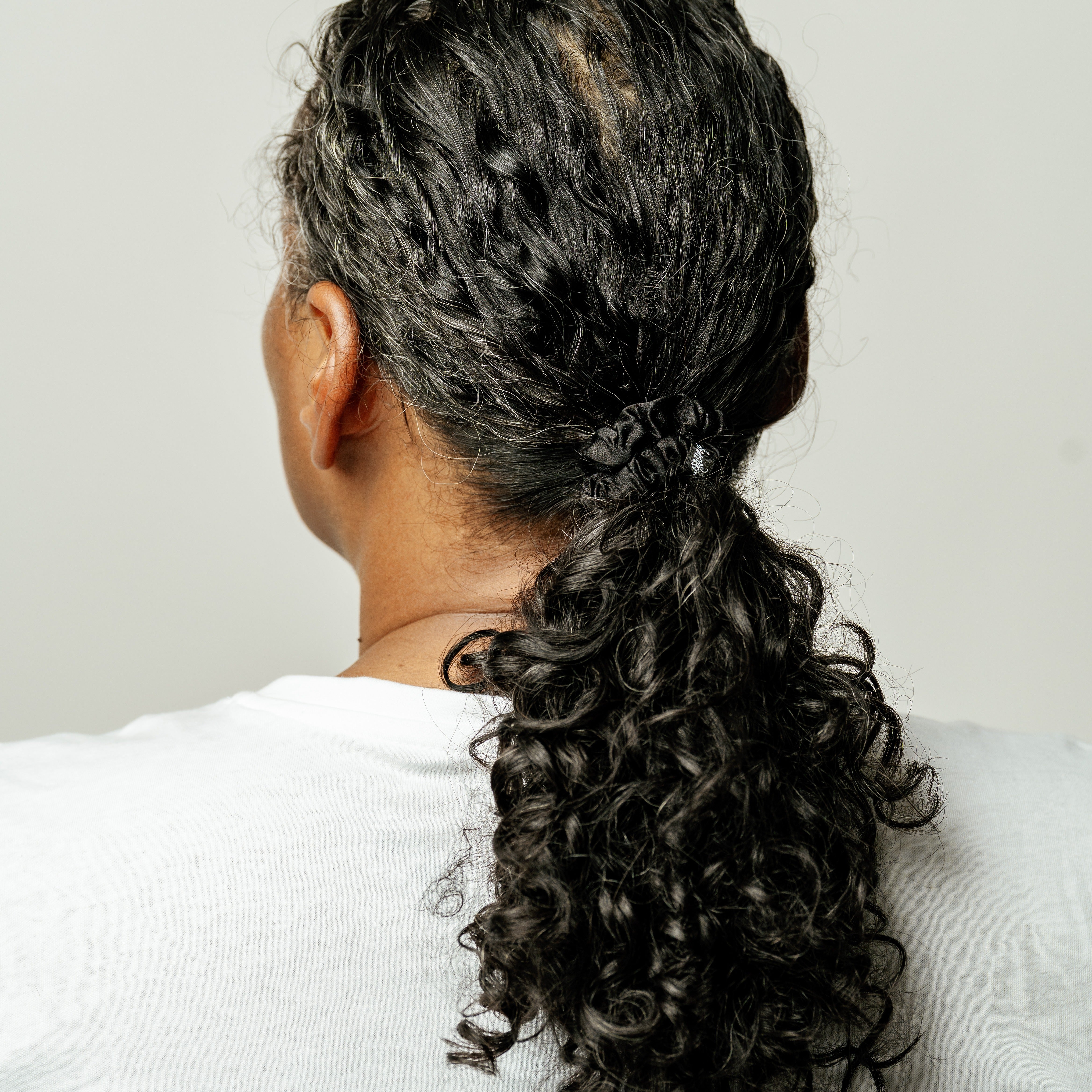
Imagine wrapping yourself in the ultimate comfort of silk, knowing it’s gentle on your skin and free from allergens. Hypoallergenic silk offers this luxury, making it a perfect choice for those with allergies or sensitive skin. This blog post will guide you through understanding hypoallergenic silk and making informed purchasing decisions from direct-to-consumer (DTC) brands.
WHAT IS HYPOALLERGENIC SILK?
Hypoallergenic silk is crafted to minimize allergic reactions, offering a safer alternative to traditional silk. What sets hypoallergenic silk apart is its natural protein structure, which resists dust mites, mold, and other allergens. This makes it ideal for bedding, apparel, and accessories, providing comfort without compromising on health.
Silk's Natural Properties
Silk is naturally hypoallergenic due to its protein composition and tightly woven structure, which creates a barrier against common allergens. This makes it not only a luxurious choice but also a practical one for individuals prone to allergies.
THE BENEFITS OF CHOOSING HYPOALLERGENIC SILK
Opting for hypoallergenic silk comes with several benefits, particularly for skin health and comfort. Dermatologists often recommend silk for its gentle touch, which reduces irritation and supports skin health. Compared to cotton or synthetic fibers, silk offers superior breathability and moisture-wicking properties, enhancing comfort.
Skin Health and Allergy Relief
Silk's smooth texture reduces friction on the skin, which can help alleviate conditions like eczema or acne. By reducing exposure to allergens, hypoallergenic silk contributes to a healthier, more restful sleep environment.
SHOPPING FOR HYPOALLERGENIC SILK: WHAT TO CONSIDER
When selecting hypoallergenic silk products, quality should be your top priority. Look for a high thread count and a tight weave, as these factors enhance the material's hypoallergenic properties. Additionally, certifications such as OEKO-TEX ensure the silk is free from harmful substances.
Key Buying Criteria
Transparency from DTC brands is crucial. Review customer feedback and look for brands that provide detailed product information, helping you make an informed decision without the uncertainty often associated with online purchases.
COMPARING HYPOALLERGENIC SILK PRODUCTS FROM DTC BRANDS
DTC brands often offer competitive pricing and direct communication with consumers, allowing for better value and personalized service. When comparing products, consider features such as durability, softness, and ease of care. Consumer ratings can provide insight into the real-world performance of these products.
Evaluating Value and Features
Look for subscription options or loyalty programs offered by DTC brands, which can provide additional savings and benefits over time.
MAKING THE MOST OF YOUR HYPOALLERGENIC SILK PURCHASE
Proper care is essential to maintain the quality and hypoallergenic properties of silk. Gentle washing with hypoallergenic detergents and air drying can extend the life of your silk items. By investing time in care, you ensure the longevity and continued comfort of your purchase.
Care and Maintenance Tips
Avoid harsh chemicals and high temperatures when cleaning silk to preserve its natural properties and maintain its luxurious feel.
FAQ
Q: What makes silk hypoallergenic? A: Silk's natural protein structure and tight weave prevent allergens like dust mites and mold from settling, making it hypoallergenic.
Q: How do I know if a silk product is truly hypoallergenic? A: Look for certifications like OEKO-TEX and research brand transparency and customer reviews to ensure authenticity.
Q: Are there certifications I should look for when buying hypoallergenic silk? A: Yes, certifications such as OEKO-TEX indicate the silk is free from harmful substances and safe for sensitive skin.
Q: How do I care for hypoallergenic silk products? A: Use gentle, hypoallergenic detergents, wash in cold water, and air dry to maintain the silk’s quality and hypoallergenic properties.
Q: Can hypoallergenic silk help with my skin condition? A: Silk can reduce skin irritation and is often recommended for conditions like eczema due to its smooth, gentle texture.
CONCLUSION
Hypoallergenic silk combines luxury with health benefits, making it a wise investment for those with sensitive skin or allergies. Prioritize quality and transparency when purchasing, and explore the offerings of DTC brands for superior value and personalized experiences. Discover the comfort of hypoallergenic silk and enhance your lifestyle today.


Commentaires